Pollution Control
Measures and Waste
Facility Standards and Pollution Prevention Measures for Environmental Conservation
To prevent adverse environmental impacts both within and outside our facilities, the HOYA Group has established the HOYA Group Environmental Facilities Standards, which define baseline requirements for environmental facilities at sites worldwide and provide a framework for addressing environmental risks such as soil and groundwater contamination and the release of hazardous substances.
Structures designed to ensure safety are incorporated into tanks, piping systems, and wastewater facilities. In addition, wastewater treatment facilities and storage areas are equipped with seepage prevention measures and are subject to regular inspections to minimize the risk of soil and groundwater contamination and hazardous substance leaks.
Furthermore, emergency response procedures and communication protocols with relevant stakeholders and authorities have been established to address potential environmental impacts resulting from the release, leakage, or infiltration of hazardous substances. These procedures are documented in emergency response manuals, and in the event of an incident, root-cause investigations and recurrence prevention measures are implemented thoroughly.
Initiatives for Chemical Substance Management
We manage all chemicals used in our business activities across the entire Group in accordance with the HOYA Group Chemical Substances Management Standard, with the aim of preventing accidents, disasters, health hazards, and environmental pollution caused by harmful chemicals. This approach enables us to prevent occupational accidents, such as health hazards arising from chemical substances, while also working to reduce environmental impact. We have established a framework for regularly monitoring and reporting the generation of environmentally hazardous substances, and through risk assessments of the substances we use, we take measures such as appropriate management of chemical substances and consideration of alternatives to further mitigate risks.
Waste Management
The HOYA Group is committed to reducing environmental impacts and advancing resource circularity through appropriate waste management and recycling initiatives at manufacturing sites worldwide.
To strengthen these efforts, we have established an annual Group-wide target of achieving a waste recycling rate of 80% or higher. To achieve this target, sites continue improving waste segregation practices, expanding recycling channels, and strengthening collaboration with suppliers and waste management contractors.
Hazardous waste and plastic waste are managed rigorously from an environmental risk perspective. Data relating to waste generation volumes and treatment methods are collected and analyzed to ensure compliance with applicable regulations while supporting the development of waste reduction and reuse initiatives.
For plastics in particular, we are promoting both waste reduction and resource circularity through the use of recyclable materials and the evaluation of alternative materials.
In FY2025, our waste recycling rate reached 82%, improving by approximately two percentage points from the previous fiscal year and achieving our target. Going forward, we will continue to promote a circular economy by reducing waste generation and advancing resource recycling.
Initiatives toward a Circular Economy
HOYA positioned the promotion of a circular economy as one of its most critical corporate challenges to realize a sustainable society. We aim to simultaneously reduce environmental impact and generate economic value by using resources efficiently and minimizing waste.
Examples of Waste Reduction and Reuse Initiatives
-
Recycling of photomask transport cases
Photomasks are extremely precise and delicate products, and their transportation requires high quality control. We have developed a process that enables the reuse of plastic transport cases, which were previously used only once before disposal. This initiative has been made possible through collaboration with customers and related suppliers and has been introduced in some photomask sizes and countries. This process has led to a reduction in plastic waste and a reduction in the consumption of virgin resources.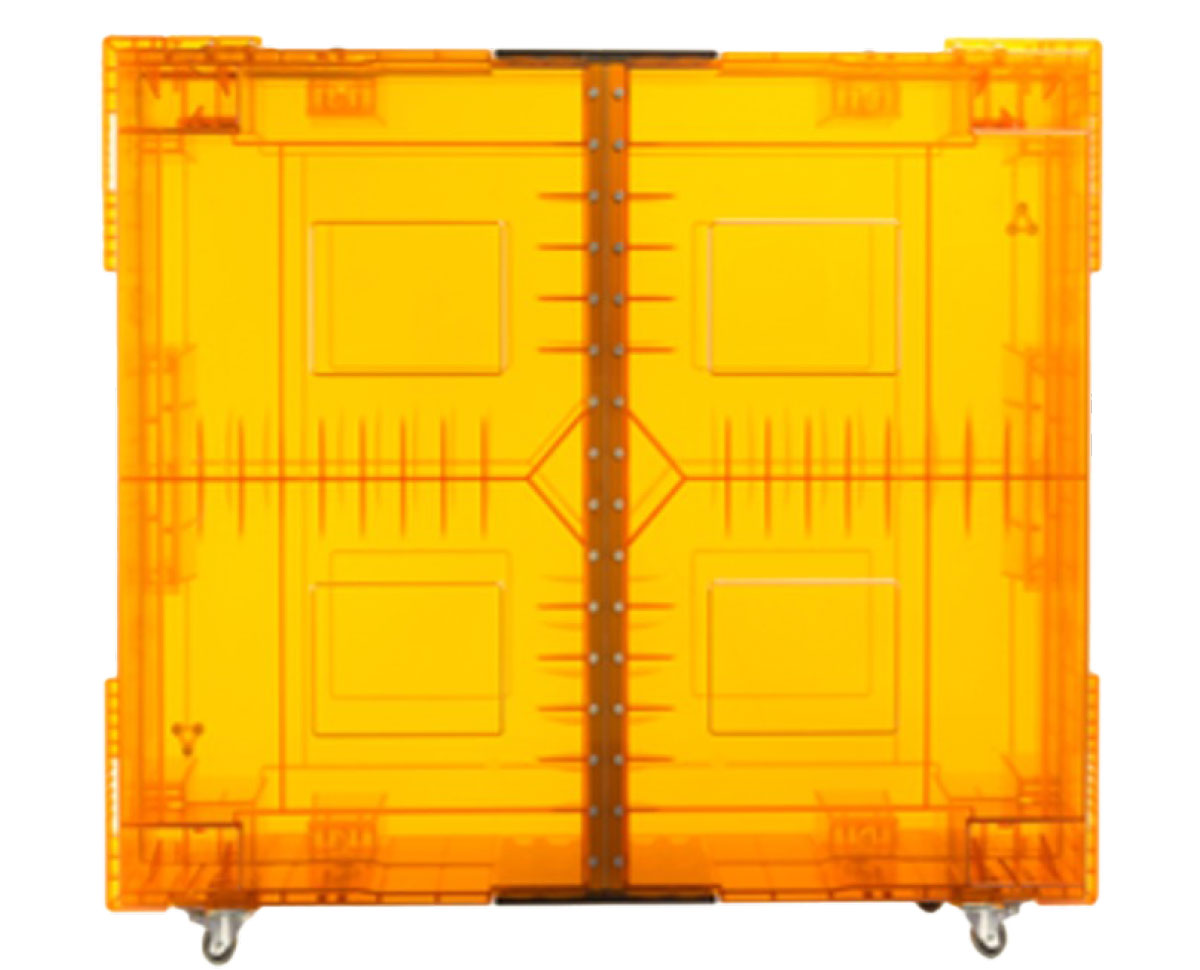 G6-size photomask case
850mm x 1200mm x 10mm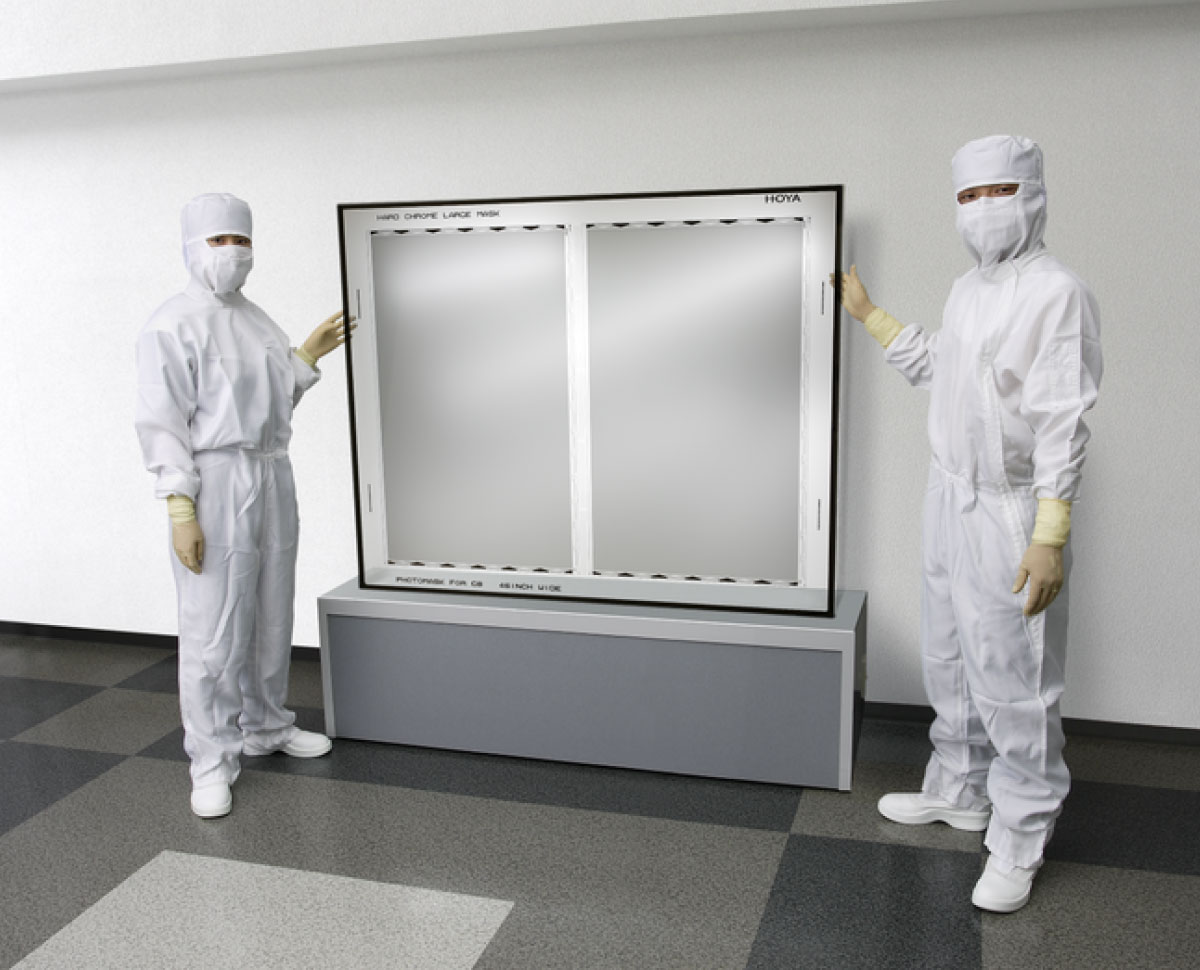
-
Recycling Plastic Waste from Eyeglass Lens Processing
HOYA Lens Australia promotes the recycling of plastic waste generated during the lens processing stage.
In collaboration with an external partner, plastic waste that was previously sent to landfill is combined with recycled materials from used eyeglasses and other plastics and repurposed into recycled construction blocks. This initiative helps reduce landfill waste, promote resource circularity, and advance a collaborative circular economy model with stakeholders.
Case Study Video: › Recycling Plastic Waste from Lens Processing -
Advancing Resource Circularity Through Packaging Reduction
PENTAX Medical is reducing material consumption through packaging redesign and material optimization initiatives.
Since 2020, the company has reduced cardboard consumption by 33% and cushioning material usage by 69% through package-size optimization. Additional efforts, including the adoption of trays made from recycled cardboard and the review of logistics materials, have also reduced plastic consumption.
These initiatives contribute to both waste reduction and improved resource efficiency while also enhancing logistics efficiency and reducing environmental impacts.
› PENTAX Medical Website: Sustainability & ESG