Roundtable Discussion with Independent Directors
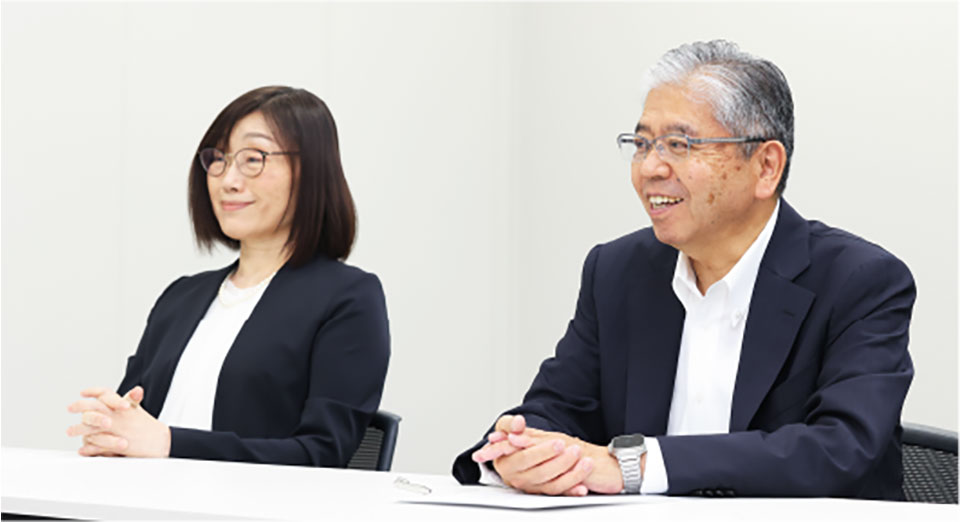
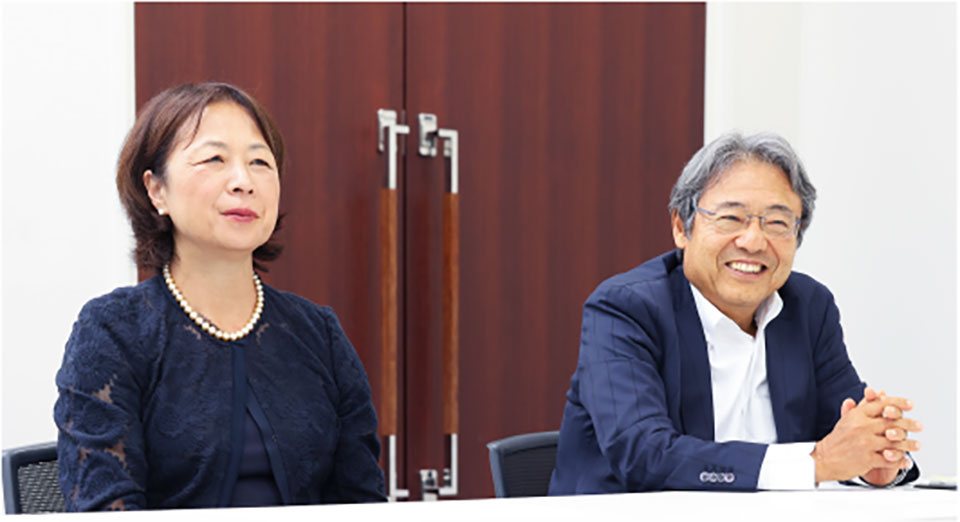
Deepening Governanceand Decision-Makingto Drive Sustainable Growth
Moderator: Thank you all for taking the time to join us today. Last year, our discussion focused primarily on themes such as medium- to long-term growth and discipline in investment decision-making. Today, I would like to explore the concrete progress made over the past year.
We have seen several major developments, including key investment decisions for HDD substrates and EUV mask blanks, measures to address underperforming businesses, and revisions to our capital policy.
To start, I would like to ask about our decisions regarding growth investments. The Board recently approved major capital investments totaling 92 billion yen across our HDD substrate and mask blank businesses—representing one of the largest investment decisions in HOYA’s history. Could you share your perspectives on the background and rationale behind this decision?
Prudent Investment Decisions Grounded
in Supply-and-Demand Dynamics
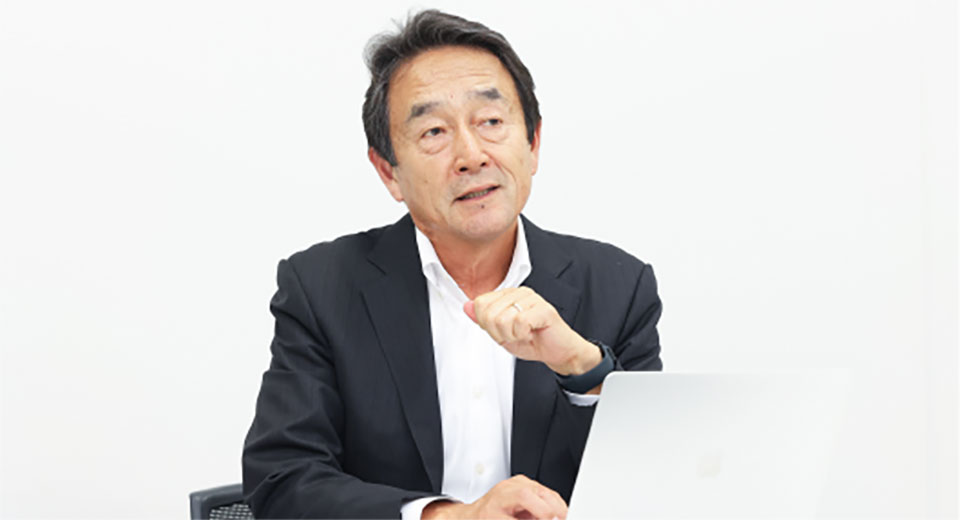
Hiroaki Yoshihara
Lead Independent Director
Chairperson of the Audit Committee,
Member of the Nomination Committee,
Member of the Compensation Committee,
Member of the Healthcare Compliance Committee
Yoshihara: The starting point, above all, is the underlying structure of supply and demand. Because demand is running significantly ahead of capacity, this investment is aimed at bringing our supply capability into alignment. Therefore, I do not view this as an investment that will lead to oversupply. It is a very prudent judgment that reflects HOYA’s disciplined corporate culture.
Furthermore, because we hold a dominant market share in this field, there is a high degree of certainty that this anticipated demand will materialize. While this gives us confidence, the Board’s role was to step back and reconfirm that there were no inconsistencies or flaws in our underlying assumptions and discussions.
Transforming Market Dynamics
Through Technological Advantage
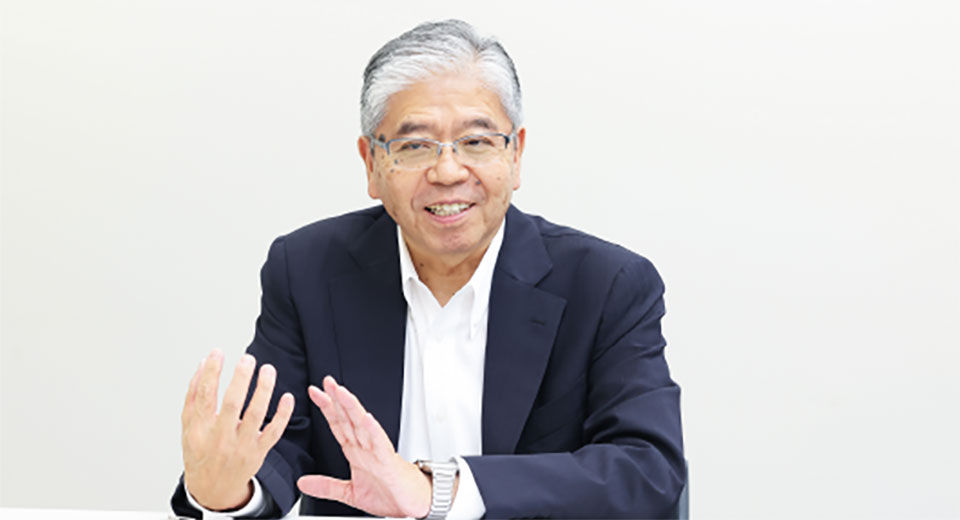
Mototsugu Sato
Independent Director
Chairperson of the Compensation Committee,
Member of the Nomination Committee,
Member of the Audit Committee
Sato: From a structural perspective, the investment case is highly compelling. Even in growth markets that may appear likely to become increasingly competitive, HOYA has consistently invested well before such markets attract widespread attention. In doing so, the Company has built not only technological expertise but also manufacturing know-how and strong customer relationships.
It then expands capacity in line with demand, making these investments fundamentally different from simple capacity additions. As a result, the barriers to entry are high, and HOYA has established exceptionally strong positions in specific domains. This structural advantage, in my view, also reduces investment risk over the long term.
Speed in Decision-Making
and Execution as a Core Strength
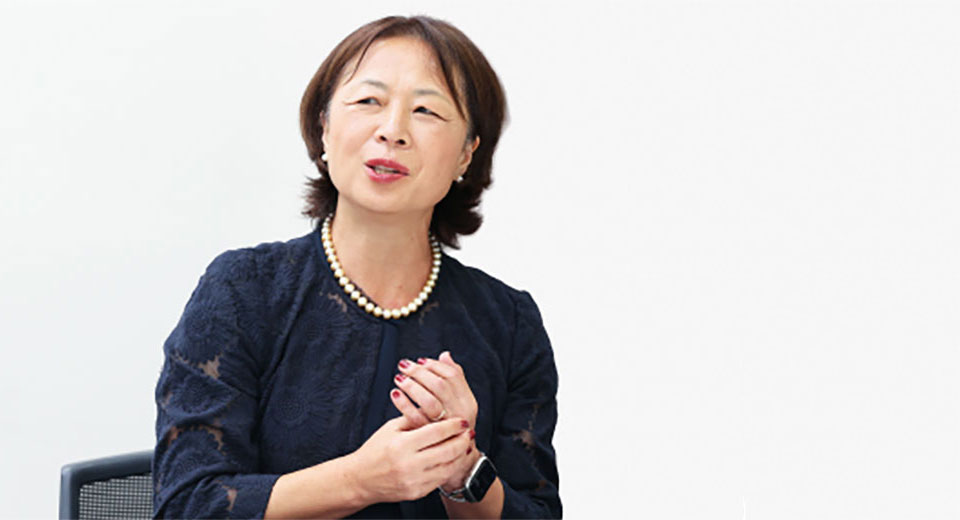
Mika Nishimura
Independent Director
Chairperson of the Healthcare Compliance Committee,
Member of the Nomination Committee,
Member of the Compensation Committee,
Member of the Audit Committee
Nishimura: We have experienced downturns in demand in the past, but since then the Company has put significant effort into deepening its customer relationships. Today, rather than relying solely on customer forecasts, HOYA has clearly enhanced its ability to gauge real demand by synthesizing insights from its networks and other data sources.
On top of that, HOYA is exceptionally swift in both decision-making and execution. In our previous cycle, the Company executed production adjustments at a speed rarely seen among Japanese companies. It is precisely because I know HOYA possesses this operational agility and execution capability that I felt fully confident in approving an investment of this scale.
Decisions Supported by the Accumulation
of Ongoing Discussions
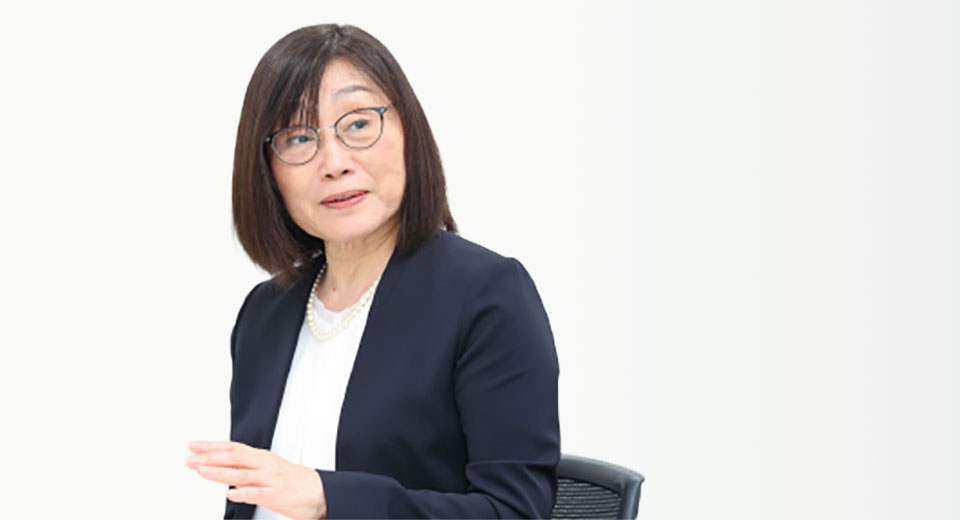
Takayo Hasegawa
Independent Director
Member of the Nomination Committee,
Member of the Compensation Committee,
Member of the Audit Committee
Hasegawa: On the Board, we regularly engage in deep discussions regarding business orientation and customer trends. Because of this solid foundation, when it came to this major investment, there was no need to question every granular assumption from scratch. Instead, it was immediately clear that this investment represented the natural next step in our overall strategy.
I believe this speaks volumes about the strength of our business, the resilience of our organization, and above all, the consistent strategic logic demonstrated by management.
Trust Underpins Decision-Making
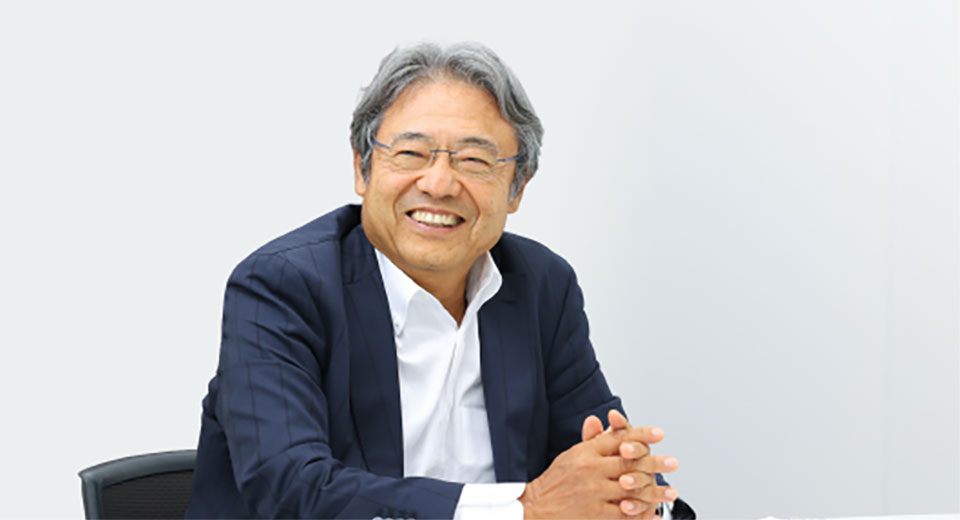
Yasuyuki Abe
Independent Director
Chairperson of the Nomination Committee,
Member of the Compensation Committee,
Member of the Audit Committee,
Member of the Healthcare Compliance Committee
Abe: In many respects, the Board’s experience with this proposal was one of reconfirmation. Everyone understands HOYA’s inherently prudent approach to capital allocation, so when proposals reach the Board level, there is already a strong sense of reassurance.
That confidence is grounded in both the Company’s track record and the deep trust established between the Board and executive management. As a result, rather than questioning every granular step in the process, our role was primarily to confirm that the underlying assumptions remained solid.
Optimizing the Balance Between Organic Investment and M&A
Moderator: Building on our discussion of investment decisions, I would now like to turn to how HOYA balances organic investment and M&A as part of its medium-term growth strategy.
Yoshihara: We do not see this as a simple binary choice between organic investment and M&A. Rather, we evaluate which approach is optimal for maximizing overall returns for the Company. HOYA operates many businesses as a market leader, and these markets themselves continue to expand, placing us in a highly favorable position. Our top priority is to reliably capture these growth opportunities. As a result, organic investment currently takes precedence, but only because it represents the most logical choice under present circumstances. Ultimately, our guiding principle is always to determine which path creates the greatest value.
Nishimura: I believe HOYA’s strength lies not only in its technological capabilities, but also in its ability to transform those technologies into cost-competitive manufacturing processes and create customer value through strong market engagement. The research and development investments we have made over more than a decade are now bearing fruit in our Information Technology business, illustrating the long-term effectiveness of this approach. This tells me that we still have many exciting seeds of future growth waiting within the organization. Given the substantial returns that organic investment in these initiatives can generate, prioritizing organic investment at this stage is a completely natural choice.
Sato: M&A is, of course, an essential strategic option. However, we must evaluate not only the economic rationale, but also cultural compatibility and the impact on our internal technological capabilities. Relying too heavily on M&A carries the risk of eroding our internal R&D capabilities, so it is vital to strike the right balance and make objective decisions.
Hasegawa: I do not believe one approach should perpetually take priority over the other. Rather, our stance is to dynamically select the optimal approach depending on the business environment and the opportunities available at any given time.
Abe: Looking at HOYA today, I see a great number of compelling themes within the Company. When we have internal opportunities that offer highly reliable returns, investing in them first is a very logical and natural decision.
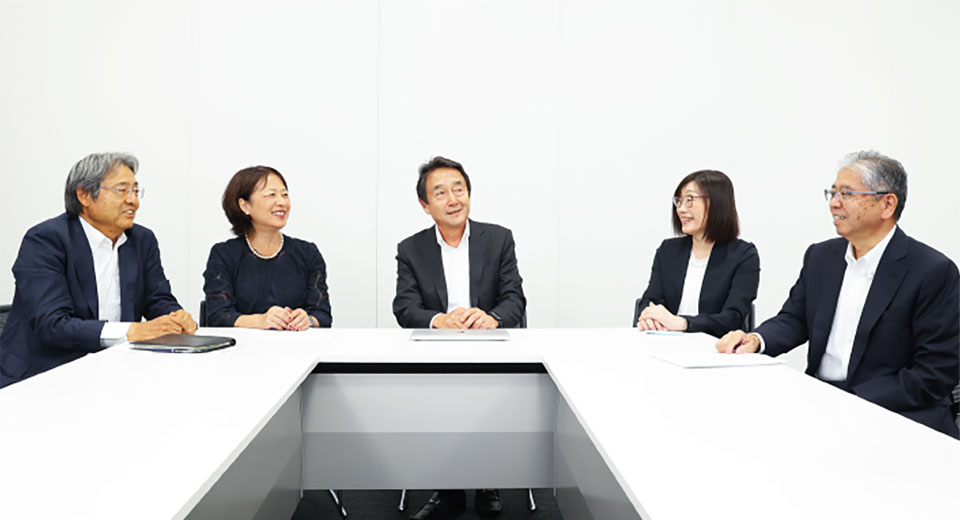
HILS and the Foundation for Long-Term Growth
Moderator: Building on that, I would like to turn to the HOYA Incubation Laboratories (HILS), which serves as a foundation for cultivating the Company’s long-term growth.
Hasegawa: For some time, I have felt that the absence of a Group-wide function to oversee technology was an issue that needed addressing. In that sense, I find this initiative extremely compelling. At the same time, certain aspects remain to be seen—specifically, how themes will be selected and how they will ultimately be translated into commercial businesses. Those are areas I intend to follow closely.
Yoshihara: I believe HILS will become a vital platform for articulating HOYA’s long-term future. While crafting an inspiring vision is important, we must ensure it does not remain just a dream by rigorously examining how that vision can be brought to fruition. I look forward to supporting that process.
Nishimura: One of HOYA’s defining strengths is the formidable capability of its individual business divisions. Over the long term, however, opportunities will emerge that cannot be tackled within the boundaries of a single division. In that regard, HILS holds significant value—not only as a cross-divisional platform, but also as a mechanism for fostering horizontal connections among our talent.
Sato: I see HILS playing a pivotal role in expanding our business domains by identifying technological synergies across the Group. While its time horizon differs significantly from that of existing operations, it is vital that HILS moves beyond pure research to generate tangible business value.
Abe: Rather than managing every detail, I believe we should give HILS a high degree of autonomy and see what emerges. HOYA possesses the organizational and financial depth to afford that kind of long-term approach.
Yoshihara: I believe Mr. Yokoyama’s* presence is a major asset. He has undoubtedly been instrumental in bringing this initiative to life, and he is an excellent choice for the role. Going forward, we want to carefully monitor the process and evaluate its progress.
Hasegawa: We have also suggested evaluating HILS within a comprehensive framework—one that encompasses not only technological metrics, but also business viability and broader societal impact.
Sato: Combining the perspectives of researchers and business professionals will also be a critical factor in driving its success.
Addressing Underperforming Businesses and Risk Management
Moderator: Let us now turn to underperforming businesses. Responding to these areas was also a central topic in last year’s discussion. How do you assess the progress made over the past year in restructuring the endoscopy business? In addition, are there any other areas that you view as key challenges for the Group as a whole?
Abe: To be honest, it took some time to get started, and I believe we are still only at the entry point of this process. The overall direction has now become clear, but the real test lies ahead in determining what concrete measures will be executed.
Sato: I evaluate it positively that the CEO has presented a medium- to long-term strategic roadmap and that restructuring is progressing as concrete actions within that framework. There is a clear alignment between strategic policy and execution.
Yoshihara: This initiative forms part of our ongoing portfolio management, serving as evidence that all businesses are being evaluated against HOYA’s common yardstick. While we are still in the early stages, I consider this an essential undertaking.
Nishimura: Ultimately, I do not believe the endoscopy business has yet reached the levels of profitability and capital efficiency that HOYA demands. However, there is a shared understanding of the challenges, and concrete remedies are already being deployed. That gives us confidence that management is taking the right steps.
Abe: Separate from the business operations, another critical area of concern is cybersecurity. It has now been more than a year since the IT incident, but generally speaking, I view the overall threat level as having increased rather than diminished. On the Board, we have raised this issue repeatedly, almost relentlessly, in our discussions. We live in an era where any organization can be targeted, making utmost vigilance imperative. Equally vital is ensuring that, should an incident occur, we are fully prepared not only to contain damage, but also to systematically mitigate associated risks.
With respect to the Endoscope Business, the Board of Directors resolved on July 31, 2026, to initiate a strategic review of all alternatives, including a potential divesture of the business.
Capital Policy and Capital Efficiency
Moderator: Let us now turn to capital policy. The Company has established a clear target of 460 billion yen for cash and cash equivalents, announcing a policy focused on enhancing capital efficiency. While some investors continue to view this level as elevated, how do you assess this position?
Sato: It is true that HOYA maintains a substantial cash position. However, management itself is in the best position to fully understand the Company’s underlying funding requirements. Given that this level was established on that premise, it is essential for management to articulate its rationale carefully and transparently to the market.
Yoshihara: I understand why there are ongoing discussions regarding our cash holdings. However, considering the heightened uncertainty in the current operating environment alongside HOYA’s abundant growth investment opportunities, I believe this is a healthy and prudent level. Our discussions are now deepening around how to maintain our management KPIs—including capital efficiency—at consistently high levels.
Abe: We are operating in an environment marked by high volatility, driven in part by AI-related shifts. Against that backdrop, I consider this cash level to be entirely appropriate. It should not be evaluated solely through a short-term lens.
Hasegawa: What matters most is for management to provide a clear, accountable explanation of how it intends to deploy and allocate the Company’s assets.
Management Quality and Execution
Moderator: Finally, I would like to ask for your evaluation of management quality over the past year. We have seen tangible progress in various areas, including the revision of the dividend policy, the clarification of capital policy, and the launch of HILS, as well as steady advancements in less visible areas. How do you assess these developments?
Yoshihara: First and foremost, with both revenue and profit reaching all-time highs, the Company has very strong momentum. Beyond the numbers, I feel HOYA has evolved into an organization that moves with exceptional speed to capture emerging market opportunities.
Nishimura: We have also seen clear, year-over-year evolution regarding the organizational and human capital challenges identified when CEO Ikeda first took office. President Ikeda’s distinct approach to management is taking clear shape.
Sato: Management is steadily executing its medium-term strategy while dynamically optimizing the business portfolio. Rather than making grandiose promises about things yet to be achieved, HOYA focuses on executing on the ground and delivering real results. In that sense, I view this as an exceptionally sound management approach.
Abe: Compared to when he first became CEO, President Ikeda brings a completely different level of stability to the role. He addresses every question with utmost sincerity and thoroughness, backed by all the necessary data. He is clearly operating with growing confidence. At the same time, he maintains a cool, objective view on whether the current AI-driven environment will persist, and is already preparing our next strategic moves on that basis.
Hasegawa: What impresses me most is President Ikeda’s profound technological understanding combined with his broad, holistic vision across the Group. Few people understand this Company as deeply as he does. Now that management has stabilized, he is in a strong position to drive longer-term technology initiatives.
* Executive Director of HOYA Incubation Laboratories (HILS). Since joining HOYA in 1997, Mr. Yokoyama has built an extensive career spanning diverse business domains from Information Technology to Life Care. He has led R&D and intellectual property strategies across broad areas, including HDD substrates and eyeglass lenses. Drawing on his cross-business and cross-functional perspective, he now spearheads HILS.